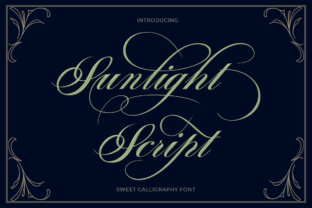
Sunlight Script: A Versatile Calligraphy Font for Design Professionals
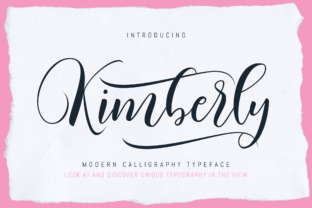
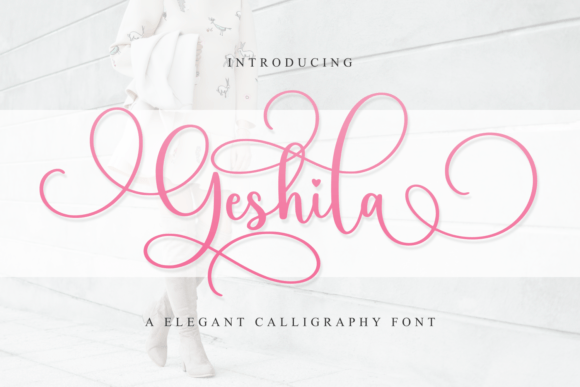
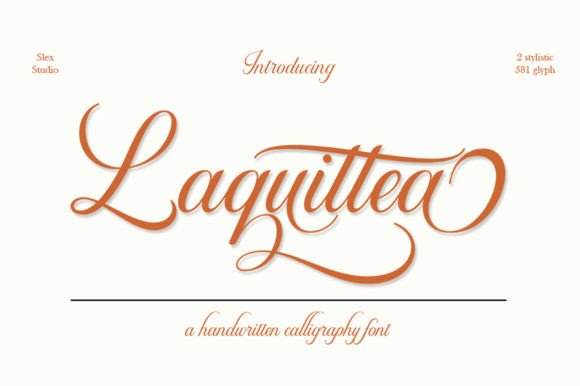
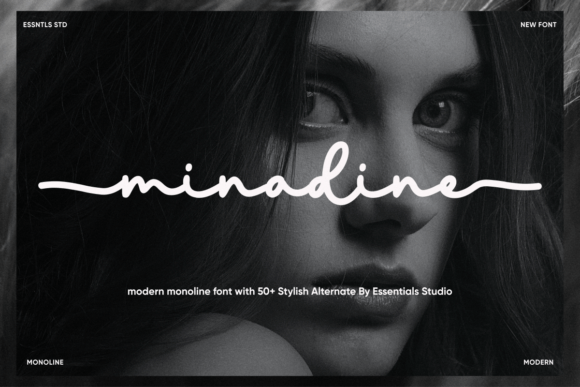
Sunlight Script is a calligraphy script font that brings elegance and style to any design project. Designed with attention to detail, it features beautiful alternative characters that allow for creative expression and visual appeal. Whether you're working on invitations, logos, menus, or fashion designs, Sunlight Script provides the perfect blend of classic charm and modern usability.
Understanding Sunlight Script and Its Role in Design Workflows
Before diving into specific use cases, it's important to understand what makes Sunlight Script unique. Unlike generic sans-serif or serif fonts, this script font offers a handcrafted feel that can elevate the aesthetics of your work. The inclusion of alternative characters allows designers to add personality and variation without compromising readability.
In a typical design workflow, Sunlight Script can be integrated at various stages. It can be used during the initial concept phase to establish a visual tone, applied during the final layout stage to enhance typography, or even used post-project as a branding element in marketing materials.
Pre-Project Integration: Setting the Visual Tone
When starting a new project, choosing the right font is crucial for setting the overall aesthetic. Sunlight Script can be an excellent choice for projects that require a touch of sophistication and artistry. For instance, when designing wedding invitations or luxury packaging, using Sunlight Script early in the process helps define the visual identity of the project.
Designers often use tools like Adobe Illustrator or Photoshop to experiment with different font styles before finalizing their choices. Integrating Sunlight Script into these tools allows for seamless experimentation with text layouts, spacing, and character variations.
During the Project: Enhancing Typography and Layout
Once the project is underway, Sunlight Script can be used to refine typography and improve the visual hierarchy of the design. In web design, for example, using Sunlight Script for headings or call-to-action buttons can draw attention and create a more engaging user experience.
One practical tip is to pair Sunlight Script with complementary fonts for body text. This ensures that the design remains readable while still maintaining a stylish appearance. Tools like Google Fonts or Adobe Typekit provide access to a wide range of fonts that can work well with Sunlight Script.
Post-Project Use: Branding and Marketing Materials
After completing a project, Sunlight Script can continue to serve a purpose in branding and marketing efforts. Incorporating the font into logos, social media posts, or promotional materials helps maintain brand consistency and reinforces the visual identity established earlier in the project.
For small business owners and entrepreneurs, using Sunlight Script in marketing collateral can make their brand stand out. Whether it's a logo, a product label, or a tagline, the font adds a touch of elegance that resonates with customers looking for quality and refinement.
Practical Implementation Tips and Workflow Examples
Integrating Sunlight Script into your workflow requires some preparation and consideration of compatibility factors. Here are a few practical tips to help you get started:
- Font Compatibility: Ensure that Sunlight Script is compatible with the software and platforms you use. Most modern design tools support TrueType and OpenType fonts, which are commonly used for script fonts.
- Character Variations: Take advantage of the alternative characters provided with Sunlight Script. These can be accessed through special keyboard shortcuts or by using the Glyphs panel in design software.
- Consistency: Maintain consistency in how you use Sunlight Script across all design elements. This includes keeping the same font size, spacing, and style throughout your project.
Here’s an example of how Sunlight Script might be used in a real-world scenario:
- Concept Phase: A designer chooses Sunlight Script for a wedding invitation project to convey a sense of elegance and personalization.
- Design Phase: Using Adobe Illustrator, the designer experiments with different layouts and applies Sunlight Script to the main title and signature sections.
- Finalization Phase: After refining the design, the font is used consistently across all elements of the invitation, including the envelope address and RSVP details.
- Marketing Phase: The completed invitation is shared on social media, where the use of Sunlight Script helps reinforce the brand's visual identity and attract potential clients.
Considerations for Long-Term Use and Quality Control
While Sunlight Script is a versatile font, it's important to consider long-term use and quality control when incorporating it into your workflow. For instance, if you're creating a series of branded materials, ensure that the font is used consistently across all assets to maintain brand recognition.
Additionally, consider how the font will appear in different formats and sizes. Testing Sunlight Script in both digital and print formats can help identify any potential issues with legibility or scaling. If needed, consult with a typographer or designer to ensure that the font is being used effectively.
Another consideration is the file format. When exporting design files, choose formats that preserve the integrity of the font, such as PDF or high-resolution PNG images. This ensures that the text remains clear and readable regardless of the viewing platform.
Conclusion
Sunlight Script is more than just a calligraphy font; it's a valuable asset that can enhance the visual appeal of your design projects. By understanding its role in the design process and integrating it thoughtfully into your workflow, you can create designs that are both elegant and effective.
Whether you're a professional designer or a hobbyist, Sunlight Script offers a unique opportunity to bring style and sophistication to your work. With careful planning, implementation, and attention to detail, you can ensure that the font serves its purpose seamlessly across all stages of your projects.