Eusthalia: A Strategic Tool for Vintage-Inspired Branding and Design
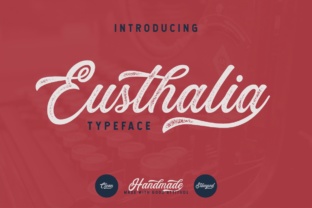
Eusthalia is a script font that brings a touch of elegance and nostalgia to modern design projects. With two distinct styles—Clean and Stamped—Eusthalia offers versatility that can be strategically applied across various creative fields. Whether you're designing a logo, crafting a vintage-inspired poster, or creating digital lettering art, Eusthalia provides a unique aesthetic that stands out in today's fast-paced visual landscape.
Understanding the Value of Eusthalia in Modern Design
The Clean style of Eusthalia is ideal for situations where readability is key but a touch of sophistication is still desired. This makes it a great choice for branding materials such as business cards, website headers, or packaging designs. The Stamped style, on the other hand, adds a more textured and vintage feel, which can be particularly effective in marketing campaigns targeting niche audiences or retro-themed products.
For entrepreneurs and small business owners, using Eusthalia can help create a brand identity that feels both professional and approachable. It allows for a balance between modern clarity and classic charm, making it an excellent asset in positioning your brand within competitive markets.
Strategic Use Cases for Eusthalia
- Branding Design: Incorporating Eusthalia into logos or brand guidelines can reinforce a sense of heritage and trustworthiness.
- Digital Lettering Arts: Artists and illustrators can use Eusthalia to add character to digital artworks, ensuring their pieces have a timeless appeal.
- T-shirt Apparel: The font’s vintage aesthetic makes it perfect for custom t-shirts that aim to evoke nostalgia or a specific era.
- Poster Design: Using Eusthalia in posters can attract attention while maintaining a cohesive visual theme that resonates with viewers.
These use cases demonstrate how Eusthalia can be leveraged not just for aesthetics, but also for strategic communication. Choosing the right style based on your target audience and message can significantly impact how your brand or project is perceived.
Planning Your Approach with Eusthalia
Before integrating Eusthalia into your design workflow, consider the context in which it will be used. Think about the tone of your message, the emotions you want to evoke, and the expectations of your audience. For instance, if you're targeting a younger demographic, the Clean style might be more appropriate, whereas the Stamped style could work better for a mature or luxury market segment.
It's also important to ensure that Eusthalia complements other design elements. Fonts should not overshadow images or text content; they should enhance the overall composition. Testing different layouts and color combinations can help determine the most effective way to use Eusthalia without compromising legibility or visual harmony.
Considerations for Effective Implementation
- Legibility: While Eusthalia has a distinctive look, its legibility must be maintained, especially in smaller sizes or when used in long blocks of text.
- Consistency: Maintain consistency by using Eusthalia across all branding materials to build recognition and reinforce your brand identity.
- Contextual Relevance: Ensure that the vintage feel of Eusthalia aligns with the themes and messages of your project to avoid any mismatch in perception.
By considering these factors, designers can make informed decisions that maximize the impact of Eusthalia while minimizing potential misinterpretations or visual clutter.
Risks of Using Eusthalia Without Clear Strategy
While Eusthalia is visually appealing, relying on it without a clear strategy can lead to ineffective communication. Overuse or misuse may dilute your brand message or confuse your audience. For example, applying the Stamped style to a high-tech product could create a disconnect between the product's modern functionality and the font's vintage appearance.
Additionally, neglecting to test Eusthalia in different contexts can result in poor readability or unprofessional appearances. Always evaluate how the font interacts with other design elements and adjust accordingly to maintain a polished and coherent look.
Decision-Making Guidance for Designers
To use Eusthalia effectively, start by defining your goals. Are you aiming to evoke nostalgia? Build brand loyalty? Or simply stand out in a crowded market? Once your objectives are clear, select the appropriate style of Eusthalia that best supports those goals.
Next, conduct user testing to see how different audiences perceive your designs. Gather feedback on readability, visual appeal, and emotional response. This data can guide further refinements and ensure that your use of Eusthalia aligns with both your intentions and your audience's expectations.
Finally, document your process and decisions. This helps maintain consistency over time and allows for easier adjustments as your brand evolves or new projects arise.
Long-Term Benefits of Intentional Font Selection
Choosing fonts like Eusthalia with intention contributes to long-term brand equity. A well-chosen typeface becomes part of your brand's visual language, helping to establish recognition and trust. When used consistently and appropriately, Eusthalia can become synonymous with your brand’s values and personality.
Moreover, thoughtful font selection supports operational efficiency. By establishing clear typography guidelines early on, teams can streamline design processes, reduce revisions, and ensure that all materials maintain a unified look and feel.
Ultimately, Eusthalia is more than just a font—it's a strategic tool that, when used wisely, can elevate your design work and strengthen your brand's presence in the marketplace.