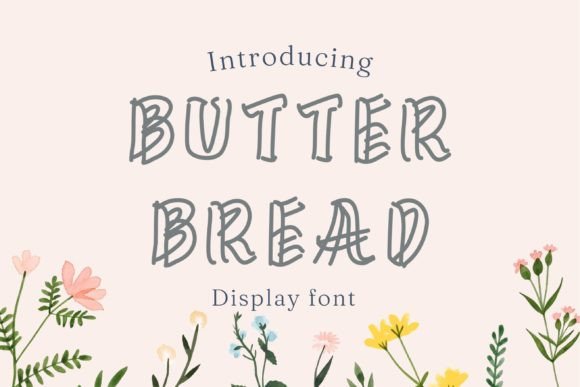
Butterbread: A Handwritten Font That Elevates Design with Character
Fonts are more than just tools for communication; they're essential elements that shape the visual identity of any project. Among the growing collection of typefaces available today, Butterbread stands out as a unique display font that blends elegance with a handwritten style. Designed to capture the warmth and authenticity of cursive writing, Butterbread brings a personal touch to digital and print media alike.
The Essence of Butterbread
Butterbread is a display font that mimics the natural flow of handwriting, making it ideal for creative projects where personality and expressiveness matter. Unlike traditional sans-serif or serif fonts, Butterbread features subtle variations in stroke thickness and irregular curves that give it a human feel. This makes it particularly suitable for use in branding, packaging, and promotional materials where a sense of individuality is desired.
What sets Butterbread apart is its ability to convey emotion and character. The font's design reflects the imperfections and nuances of real handwriting, which can be especially effective when used for quotes, slogans, or taglines. Its organic appearance allows it to blend seamlessly into both modern and vintage-inspired designs.
Key Characteristics and Practical Value
One of the most notable aspects of Butterbread is its handwritten style. The font's strokes are not uniform, and each letter appears slightly different from the next, creating a dynamic and engaging visual experience. This variation ensures that text using Butterbread doesn't feel static or overly structured, making it well-suited for content that aims to evoke a personal connection with the reader.
Another key feature is its versatility. While primarily designed as a display font, Butterbread can also be used effectively in body text for short passages, such as captions or call-out boxes. However, due to its stylized nature, it's best reserved for headings, logos, and other focal points rather than large blocks of text.
The font’s readability is another important factor. Despite its handwritten look, Butterbread maintains clarity even at smaller sizes, ensuring that messages remain legible without losing their artistic appeal. This balance between aesthetics and functionality makes it a valuable asset for designers working across various mediums.
Real-World Applications and Performance
In practice, Butterbread has proven to be an excellent choice for a wide range of applications. For instance, it works exceptionally well on product packaging, especially for items like mugs, t-shirts, and greeting cards. The font's warm and inviting style complements products aimed at niche markets or those seeking to create a strong emotional connection with consumers.
Designers have also found success using Butterbread in digital marketing campaigns. Its distinctive look helps draw attention to headlines, call-to-action buttons, and promotional banners. When paired with high-quality images or illustrations, Butterbread enhances the overall visual impact of a design without overwhelming the viewer.
Additionally, the font is well-suited for educational materials and blogging platforms. It adds a friendly and approachable tone to content, which can be especially beneficial for educators or bloggers aiming to engage younger audiences or create a more relaxed atmosphere.
Who Benefits Most from Using Butterbread?
Professionals in the fields of graphic design, branding, and advertising will find Butterbread particularly useful. Its ability to add a personal touch to otherwise corporate or formal content makes it a go-to choice for creating memorable brand identities.
Entrepreneurs and small business owners may also benefit from incorporating Butterbread into their marketing materials. Whether it's for website headers, social media posts, or printed flyers, the font can help establish a unique brand voice that resonates with customers.
For freelancers and creators, Butterbread offers a way to differentiate their work from others in a competitive market. By using this font in presentations, portfolios, or client communications, they can showcase their creativity and attention to detail.
Finally, serious hobbyists who enjoy experimenting with typography will appreciate the flexibility and expressive potential of Butterbread. It provides an opportunity to explore new design possibilities while maintaining a professional standard of quality.
Evaluating Quality and Long-Term Value
When assessing the quality of a font, factors such as consistency, usability, and reliability come into play. Butterbread excels in these areas by offering a consistent yet expressive design that remains reliable across different platforms and devices. Its clean lines and balanced proportions ensure that it performs well in both digital and print formats.
From a usability perspective, Butterbread is easy to integrate into design software and web development frameworks. It supports multiple languages and character sets, making it a versatile option for international projects. Additionally, its compatibility with popular design tools such as Adobe Illustrator, Photoshop, and Canva ensures that users can work efficiently without encountering technical barriers.
In terms of long-term value, investing in a font like Butterbread means having access to a tool that can grow with your creative needs. As trends evolve and new design challenges arise, the adaptability of Butterbread ensures that it remains relevant and effective over time.
Considerations and Limitations
While Butterbread is a powerful addition to any designer's toolkit, it's important to recognize its limitations. Due to its handwritten nature, it may not be suitable for all types of content, particularly those requiring strict typographic consistency. In situations where readability is paramount, such as legal documents or instructional manuals, Butterbread might not be the best choice.
Additionally, because of its stylized appearance, Butterbread should be used judiciously to avoid overpowering the message it's meant to support. Overuse or misuse can lead to a cluttered or unprofessional appearance, which defeats the purpose of incorporating a thoughtful font into a design.
Lastly, while Butterbread is highly versatile, it's always advisable to pair it with complementary fonts that provide contrast and enhance readability. This approach ensures that the overall design remains visually appealing and functionally sound.
Overall, Butterbread is a valuable asset for anyone looking to add a personal and artistic touch to their projects. With its unique handwritten style and practical applications, it offers a compelling solution for designers, marketers, and creators seeking to elevate their work with a font that speaks volumes through its design.